
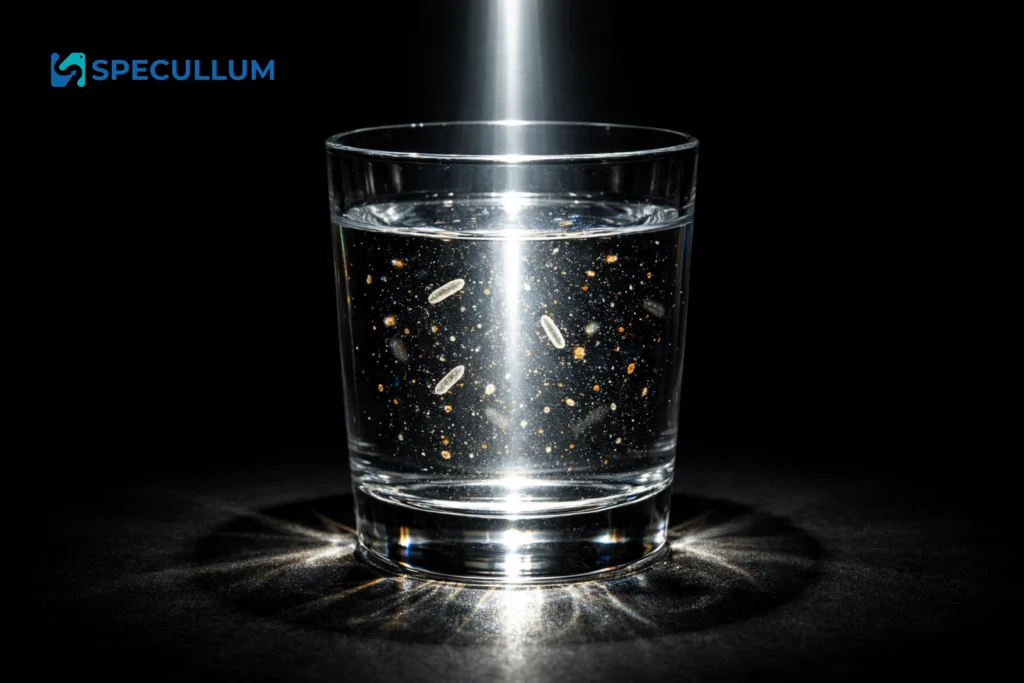
Every morning, millions of Nigerian families turn on a tap, fill a kettle, or crack open a sachet of water and trust that what comes out is safe. It looks clear. It has no smell. So it must be fine, right?
Not Necessarily.
The truth is that water can look perfectly clean and still contain invisible threats bacteria, heavy metals, chlorine residues, and chemical traces that no amount of visual inspection can reveal. In a country where aging pipe infrastructure, inconsistent municipal treatment, and widespread borehole usage are daily realities, the quality of your drinking water deserves a much closer look.
This article breaks down exactly what may be hiding in your tap water, why it matters for your family’s health, and what you can do about it.
Where Does Nigerian Tap Water Actually Come From?
In most Nigerian cities, tap water is sourced from rivers, lakes, dams, or underground aquifers. Before it reaches your faucet, it typically passes through a municipal water treatment facility where it is filtered and disinfected using chemicals like chlorine to kill bacteria and viruses.
This process is designed to make water safe. But there are two major problems.
First, municipal treatment cannot remove every contaminant. Chlorine kills bacteria, but it does not remove heavy metals, chemical residues, or microplastics.
Second, even if the water leaves the treatment plant in good condition, it still has to travel through kilometres of pipes many of which are old, corroded, or poorly maintained before it reaches your home. Whatever is in those pipes can end up in your glass.
What Tap Water in Nigeria May Contain
Chlorine and Chloramines
Chlorine is added during treatment to kill harmful microorganisms. While it does its job at the treatment plant, excess chlorine in your drinking water can irritate the digestive system, affect the taste and smell of water, and react with organic matter in pipes to form compounds known as disinfection byproducts (DBPs) some of which have been linked to long-term health risks.
Heavy Metals
Lead, copper, iron, and arsenic can all enter your water supply through corroded pipes and old plumbing systems. Lead is particularly dangerous because it accumulates in the body over time and can affect brain development in children, impair kidney function, and cause cardiovascular problems in adults. There is no safe level of lead exposure.
Sediment and Rust
Rust and sand particles from aging pipes are common in Nigerian tap water. While these are mostly aesthetic problems making water look discoloured or cloudy they can also carry bacteria and clog household appliances.
Bacteria and Microorganisms
Even treated water can harbour bacteria if the distribution system is compromised. Organisms like E. coli, Salmonella, and Vibrio cholerae are responsible for some of the most common waterborne illnesses in Nigeria, including typhoid fever, cholera, and dysentery. These pathogens thrive in improperly sealed tanks and broken pipes.
Chemical Residues and Pesticides
Agricultural runoff carries pesticides and herbicides into water sources. These chemicals are not always fully removed during treatment and have been linked to hormonal disruption, reproductive issues, and in some cases, cancer with long-term exposure.
Microplastics
An emerging concern worldwide, microplastics have been found in tap water, bottled water, and even rainfall. They enter water sources through plastic waste degradation. The long-term health effects are still being studied, but early research suggests they can accumulate in organs and disrupt hormone function.
“Water that looks clean is not the same as water that is safe. The most dangerous contaminants in Nigerian tap water are the ones you cannot see, smell, or taste.”
What About Borehole Water?
Millions of Nigerian households that are not connected to the municipal water supply rely on borehole water. While borehole water can be cleaner than surface water in some respects, it is not automatically safe. Contamination from agricultural chemicals, industrial waste, sewage leakage, and naturally occurring minerals like iron and manganese is common. Untested borehole water is effectively unknown water.
Why Boiling Alone Is Not Enough
Boiling water kills bacteria and viruses. This is useful and important. However, boiling does not remove heavy metals, chlorine, pesticides, sediment, or microplastics. A family that boils their water religiously is safer from biological contamination but is still drinking whatever chemical and metal load was in the water before it was heated.
The Solution: Multi-Stage Filtration with Remineralisation
The most effective way to make your tap water or borehole water genuinely safe is through a multi-stage filtration system that removes physical, biological, and chemical contaminants and then restores the beneficial minerals your body needs.
The Specullum Gravity Water Purifier is designed to do exactly this. Its 8-stage filtration system includes a ceramic dome that removes sediment, bacteria, and rust; activated carbon that eliminates chlorine and organic chemicals; zeolite and bio-ceramic stages that reduce heavy metals; an alkaline filter that balances pH; and mineral stones that add back calcium, magnesium, potassium, and zinc the minerals your body depends on for proper hydration, bone health, and cellular function.
It requires no electricity and no plumbing installation, making it practical for every Nigerian household, from Lagos apartments to homes in areas with unreliable power supply.
What You Should Do Today
If you are drinking untreated tap water or borehole water without any form of filtration, your family is being exposed to risks that are entirely preventable. If you are using a basic filter that only removes sediment or taste odour without addressing bacteria, heavy metals, or remineralisation, you are getting partial protection at best.
The first step is awareness. The second step is action.
Clean water is not a luxury. It is the foundation of every other health choice your family makes.